Unlocking Layered Incentive Timelines that Connect Mobile App Credits to Live Table Privileges in Regulated Portable Systems
Tina Sullivan · Jul 28, 2026
Unlocking Layered Incentive Timelines that Connect Mobile App Credits to Live Table Privileges in Regulated Portable Systems
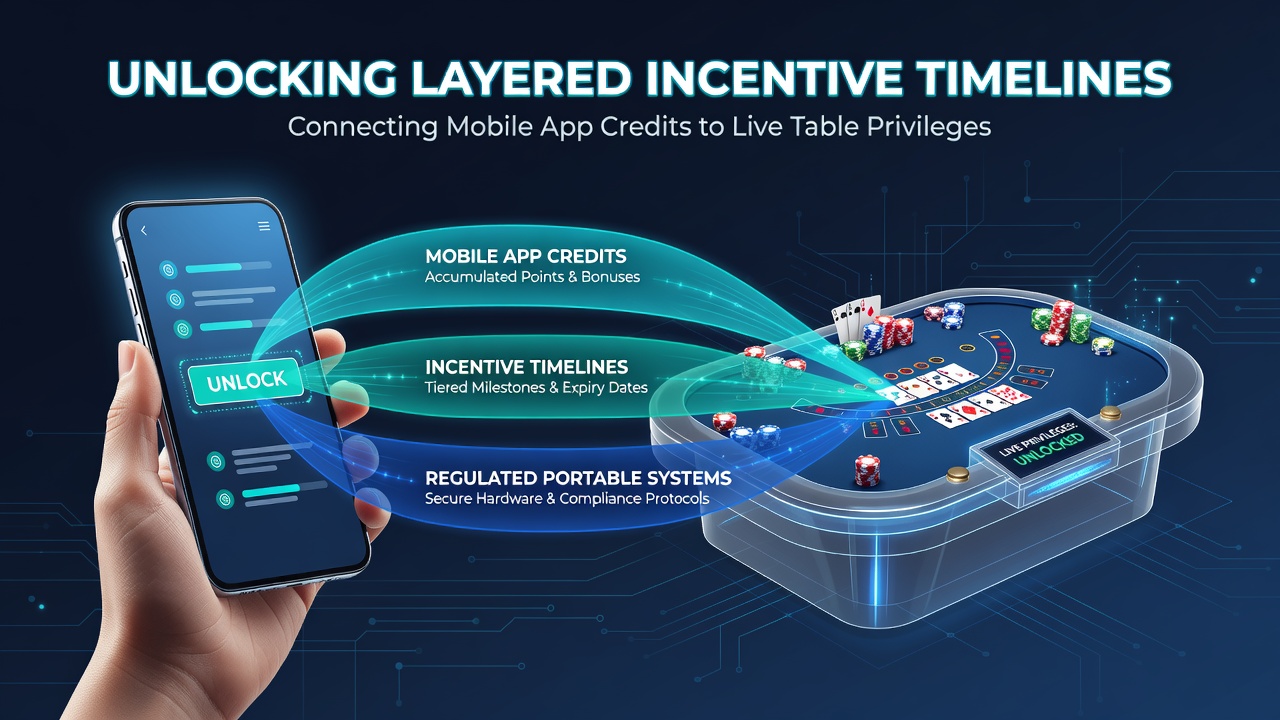
Regulated portable gaming systems now feature structured timelines where mobile app credits progress toward live table privileges through sequenced verification steps and activity thresholds. These mechanisms operate within frameworks established by state and provincial authorities that oversee mobile casino operations across North America. Data from industry reports indicate that players accumulate credits in app environments before those credits convert into access rights for live dealer sessions on handheld devices.
Sequential Credit Accumulation and Timeline Triggers
Operators design layered incentive timelines around specific intervals that activate after initial credit deposits or play milestones in mobile apps. Credits start at basic levels and advance when users complete defined play periods or meet wagering thresholds tracked through secure platform logs. Researchers at gaming technology firms have documented how these sequences prevent immediate access to premium features while encouraging sustained engagement across portable interfaces.
Systems in jurisdictions like New Jersey and Michigan require credential validation at each stage before credits unlock live table options. A player might earn introductory credits through app-based slots or table simulations and then wait for time-based gates to open pathways to real-time dealer interactions. According to reports from the Michigan Gaming Control Board, such timelines help maintain compliance with responsible gaming standards by spacing out privilege escalations.
Integration with Regulated Portable Ecosystems
Portable systems integrate app credits with live privileges through encrypted data flows that link user accounts across devices. Once a timeline milestone passes, the platform automatically adjusts account permissions to grant table access without requiring separate logins. This process relies on backend servers that monitor activity in real time and apply rules set by regulatory bodies in multiple regions.
Observers note that July 2026 marks a scheduled expansion phase for several portable gaming networks where updated timeline protocols will take effect. These changes aim to synchronize credit layers with new live dealer offerings while adhering to stricter data security requirements. Evidence from platform audits shows that seamless transitions between app credits and live sessions reduce friction for verified users and support higher retention metrics in regulated markets.

Validation Steps and Privilege Escalation
Each layer in the incentive timeline incorporates validation checkpoints that confirm player eligibility before advancing credits to live table status. These steps include identity confirmation, location verification via GPS or IP checks, and review of prior activity patterns stored in the system. Data indicates that platforms using multi-factor authentication at these gates experience fewer compliance issues compared to less structured approaches.
Take one documented case where a regulated operator in Pennsylvania adjusted its timeline to require 48 hours of monitored app activity before credits unlocked live blackjack tables. The adjustment aligned with guidelines from the Pennsylvania Gaming Control Board and resulted in measurable improvements in account security logs. Similar patterns appear in Ontario's iGaming framework, where portable systems link entry credits to extended dealer sessions through progressive validation sequences.
Regional Variations in Timeline Structures
Different regulatory environments shape how timelines connect mobile credits to live privileges. In some U.S. states, timelines emphasize daily or weekly activity windows while Canadian provinces often incorporate monthly review cycles tied to player accounts. Industry analyses reveal that these variations reflect local policy priorities around player pacing and platform oversight rather than uniform national standards.
Systems deployed in Australia and parts of Europe demonstrate parallel approaches where app-based credits feed into live table access after cumulative play thresholds are met. Reports from the Australian Communications and Media Authority highlight how portable platforms track these flows to ensure credits do not bypass established verification layers. What's interesting is how operators adapt the same core timeline architecture across borders while customizing gate intervals to match regional rules.
Technical Architecture Supporting Credit Flows
Backend architectures rely on API connections that pass credit data between mobile apps and live dealer modules in real time. When a timeline condition clears, the system pushes updated permission tokens to the user's portable device, enabling immediate table entry. Technical documentation from gaming software providers shows that these connections incorporate encryption protocols to protect transaction records and player information throughout the process.
Additional layers often include automated alerts sent to users when their credits near the next privilege threshold. These notifications guide activity without direct intervention and keep players informed about remaining intervals before live access activates. Figures from platform performance reviews suggest that clear timeline visibility correlates with steadier engagement rates across regulated portable networks.
Conclusion
Layered incentive timelines in regulated portable systems continue to evolve as operators refine connections between mobile app credits and live table privileges. These structures rely on sequenced validation, regional compliance rules, and technical integrations that maintain secure progression pathways. As updates scheduled for July 2026 approach, platforms will likely introduce further refinements to timeline mechanics while preserving oversight from bodies such as the Michigan Gaming Control Board and similar authorities. The result supports structured access models that balance player progression with regulatory requirements across multiple jurisdictions.