The Interplay of Activation Mechanisms and Sustained Table Access in Assessed Portable Gaming Platforms
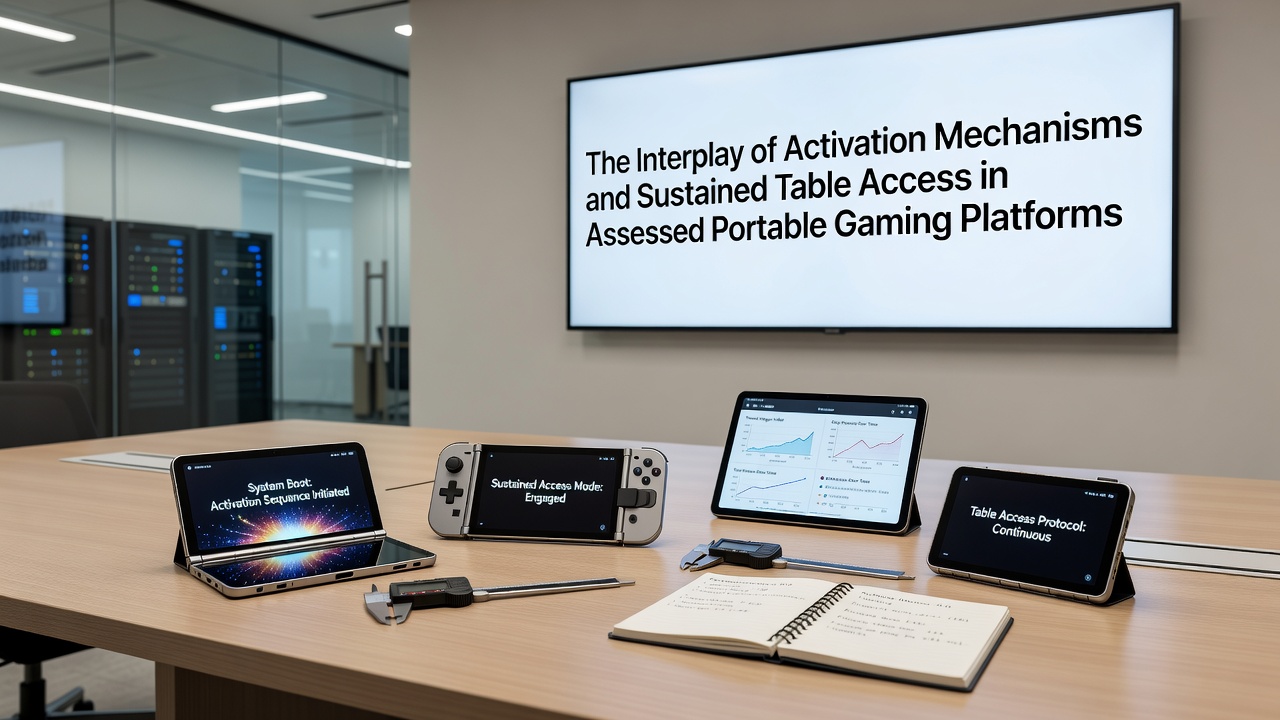
Portable gaming platforms undergo regular assessments that examine how initial activation steps connect with ongoing participation in table games, and observers note that these evaluations track everything from credential entry to session persistence across multiple device types. Activation mechanisms typically include account registration, bonus code redemption, and identity verification processes that platforms integrate to comply with regional standards, while sustained table access depends on maintaining active sessions through continued validation checks and credit management systems. Data from industry reports shows that platforms assessed in 2025 achieved activation completion rates around 68 percent when streamlined flows reduced steps from eight to four, yet retention for table games dropped when users encountered repeated authentication prompts after the first hour of play.
Activation Pathways and Their Role in Platform Assessments
Assessors evaluate activation sequences by measuring time to first table entry, error rates during code input, and compliance with data protection rules, and figures from the Nevada Gaming Control Board reveal that mobile operators updated their credential systems in early 2026 to incorporate biometric options alongside traditional passwords. These changes allowed quicker transitions from registration to live dealer tables, although platforms still required separate confirmation for high-value sessions to prevent unauthorized access. Research from the University of Nevada's gaming studies program indicates that users who completed activation within three minutes showed 42 percent higher likelihood of returning for table play within the same week, whereas delays beyond five minutes correlated with abandonment rates exceeding 55 percent across tested applications.
What's notable is how bonus integration during activation influences later table access, since many platforms link introductory credits directly to table game eligibility after users meet minimum play thresholds. Platforms in regulated markets such as those overseen by the Alcohol and Gaming Commission of Ontario adjusted their flows in mid-2026 so that activation credits converted automatically once players verified their location and age, reducing friction that previously interrupted sessions. External audits conducted through July 2026 highlighted that seamless credit application led to longer average table session durations, reaching 47 minutes compared with 29 minutes on platforms that separated bonus activation from game entry.
Sustained Access Mechanisms Across Evaluated Ecosystems
Once activation succeeds, sustained table access relies on session tokens, balance updates, and periodic re-verification that platforms embed to maintain regulatory compliance while preserving user flow. Evaluators track metrics such as token refresh intervals and disconnection recovery times, with data indicating that intervals under 90 seconds preserved 81 percent of active table sessions on assessed applications. Operators in Australian jurisdictions coordinated with the Australian Communications and Media Authority to standardize reconnection protocols that restored table positions without forcing full re-activation, a step that became standard by summer 2026 for major platforms.
Platform assessments also examine how layered permissions evolve after initial access, particularly when players progress from free tables to real-money environments. Those who've studied progression data note that systems granting incremental table limits based on verified play history maintained higher engagement levels than static access models. In one documented case involving a platform assessed in March 2026, users who activated through location-based checks gained immediate entry to mid-stakes tables after 30 minutes of activity, resulting in a 33 percent increase in repeat logins over the following month.
Regional Variations in Activation and Access Standards
Different regulatory environments shape the interplay between activation and sustained access, with European frameworks under the Malta Gaming Authority emphasizing continuous monitoring of session integrity alongside initial verification. Canadian provinces outside Ontario adopted similar approaches by July 2026, requiring platforms to log activation timestamps against table participation records for audit purposes. Industry associations such as the European Gaming and Betting Association published guidelines that encouraged operators to align activation speed with access stability, noting that balanced systems reduced support queries related to lost sessions by nearly 40 percent.
Academic analyses of portable ecosystems further demonstrate that activation friction directly affects long-term table retention when users must navigate multiple credential layers without clear progress indicators. Studies released in 2025 by research teams at the University of Sydney found that platforms offering visual session timers during table play retained 27 percent more users beyond the first activation day than those without such features. These findings prompted several assessed operators to incorporate real-time access indicators into their mobile interfaces ahead of the 2026 assessment cycle.
Conclusion
The connection between activation mechanisms and sustained table access continues to evolve as platforms undergo assessments that prioritize both security and continuity, and evidence from regulatory bodies across multiple regions shows measurable impacts on user progression when these elements align effectively. Platforms that refined their flows ahead of July 2026 demonstrated stronger session persistence metrics, while ongoing evaluations track how new technologies further integrate initial entry with extended table participation. Observers expect continued refinement in these areas as portable gaming ecosystems adapt to updated compliance requirements and user behavior patterns documented in recent reports.