Player Pathways Through Layered Incentive Timelines in App-Based Regulated Play Zones
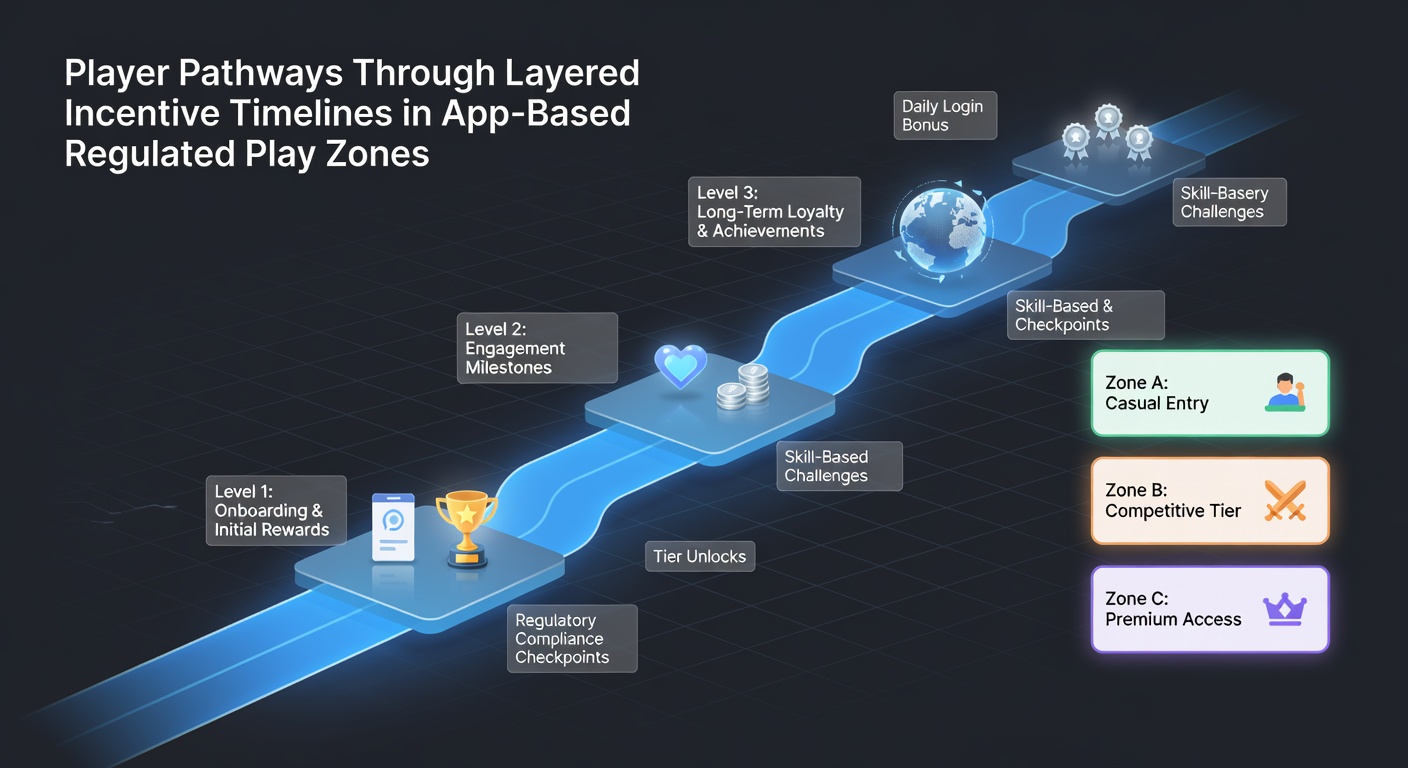
App-based regulated play zones organize player advancement through structured sequences of incentives that unfold across specific time periods, and these systems connect initial access points to extended participation phases within mobile platforms. Regulators in multiple jurisdictions require operators to document how rewards activate, accumulate, and expire so that timelines remain transparent and compliant with local rules.
Core Structure of Layered Timelines
Operators divide incentive periods into sequential stages that typically begin with entry-level credits, move through activity-based unlocks, and conclude with premium table or live-session access once cumulative play thresholds are met. Each stage carries its own duration parameters, and data from platform analytics show that completion rates vary according to how clearly the intervals are displayed inside the app interface. Researchers at the University of Nevada, Reno tracked user sessions across several licensed applications and found that players who receive progress indicators at each interval maintain longer engagement windows than those who encounter opaque expiration rules.
Entry to Mid-Level Transitions
Users start in the first layer when they complete account verification and receive an initial credit allocation that must be activated within a fixed window, often 24 to 72 hours. Once that window closes or the credit is used, the system automatically shifts the account into the next timeline segment, which tracks wagering volume against a predetermined multiplier. The Nevada Gaming Control Board publishes quarterly summaries that record how many accounts advance past this first gate in each reporting period, and the figures reveal steady growth in the number of regulated mobile applications that publish exact hour counts rather than calendar-day ranges.
Players who reach the mid-level segment encounter additional conditions tied to game-type participation, and these conditions frequently reset on a weekly or monthly cadence. Observers note that jurisdictions such as New Jersey and Ontario require operators to send in-app notifications at least 48 hours before any reset occurs, thereby giving users time to adjust their activity patterns before the timeline advances or terminates.
Advanced Access and Redemption Windows
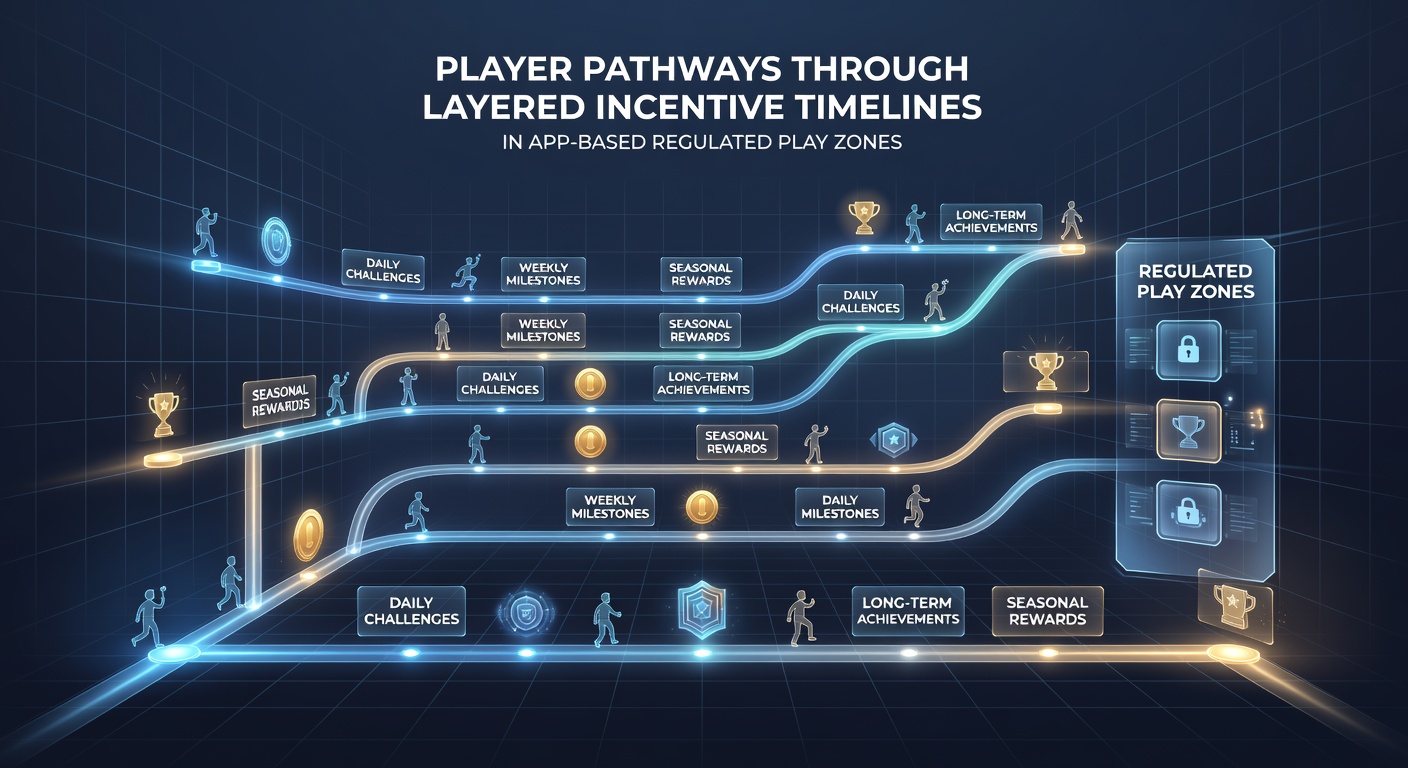
After the mid-level requirements are satisfied, accounts enter pathways that grant live-dealer or high-limit table access for limited calendar blocks, and these blocks are usually measured in consecutive days rather than total hours. The shift to June 2026 will introduce updated reporting standards in several Canadian provinces that will require operators to log the exact start and end timestamps of every premium-access window so that regulators can verify that no player exceeds daily or weekly participation caps. Industry reports compiled by the Canadian Gaming Association indicate that such timestamp logging has already reduced disputes over expired sessions by measurable margins in pilot programs.
Redemption sequences at the final layer require users to convert accumulated credits into cashable balances within another defined interval, and the length of that interval differs by jurisdiction. In Australia, state-based regulators mandate that any remaining promotional balance must be claimed or forfeited within 30 days of the final activity threshold being reached, while certain European frameworks allow up to 60 days when the balance originates from live-session play.
Regulatory Documentation Requirements
App developers must embed audit trails that record every timeline trigger, and these trails are subject to periodic review by licensing authorities. The Malta Gaming Authority, for example, requires submission of timeline flowcharts during license renewal, and the submitted materials must illustrate how overlapping incentive periods are resolved when a player qualifies for multiple layers simultaneously. Such documentation helps ensure that no single timeline inadvertently extends beyond the maximum duration permitted under local statutes.
Conclusion
Layered incentive timelines in app-based regulated play zones continue to evolve as licensing bodies introduce more granular timestamp and notification rules. The transition points between entry, mid-level, and premium segments remain governed by verifiable activity thresholds and fixed calendar intervals, and operators that maintain clear in-app visibility of those intervals report higher completion rates across successive stages. As June 2026 approaches, additional compliance layers will further standardize how redemption windows and access periods are tracked inside mobile environments.