Mapping Redemption Sequences for Layered Promotional Credits Within Regulated Portable Gaming Ecosystems
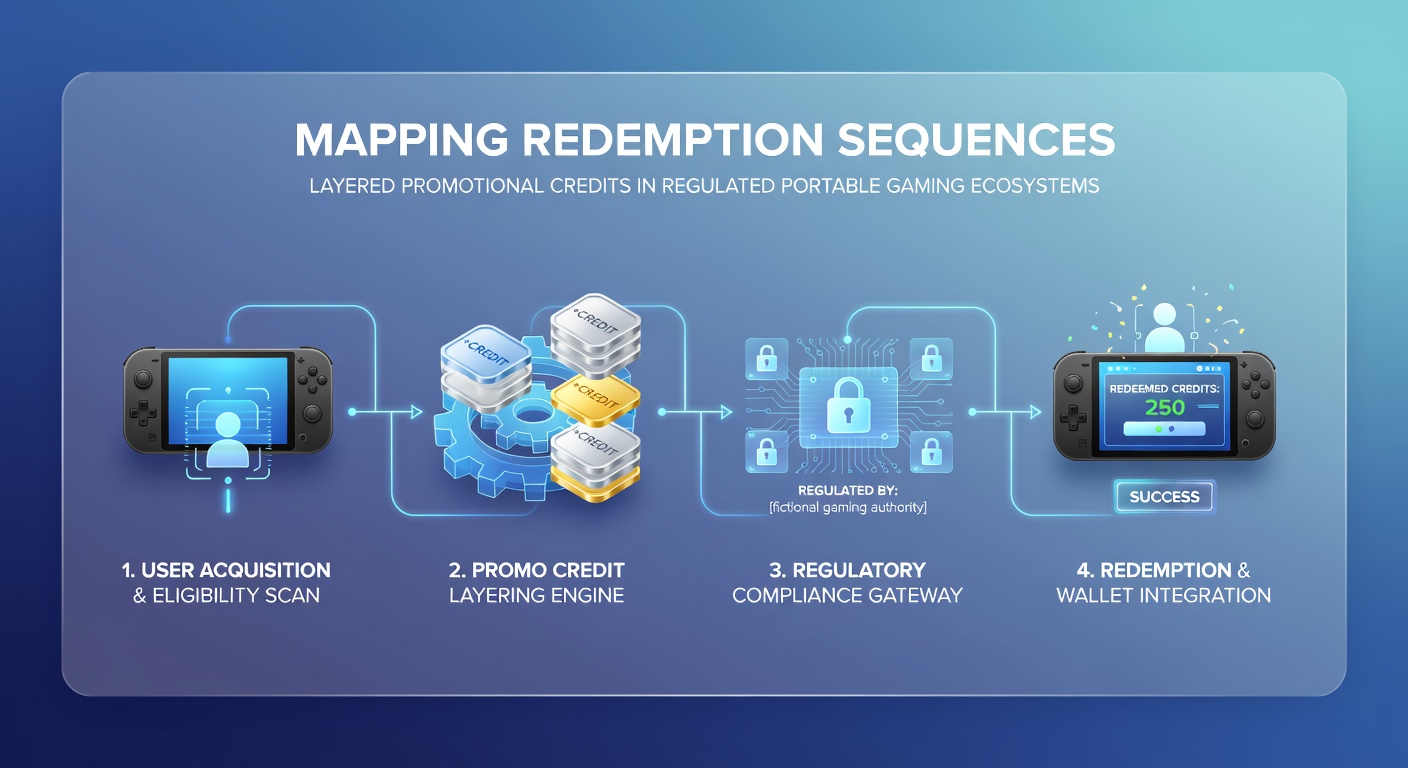
Regulated portable gaming ecosystems rely on structured sequences that govern how players access and convert layered promotional credits into playable funds or rewards across mobile platforms. These sequences emerge from compliance frameworks that require operators to track every stage of credit activation, usage, and expiration while maintaining separation between deposit-based funds and promotional layers. Data from industry monitoring shows that operators implement digital mapping tools to log redemption events in real time, ensuring each layer follows predefined rules tied to jurisdiction-specific statutes.
Core Components of Layered Promotional Credit Structures
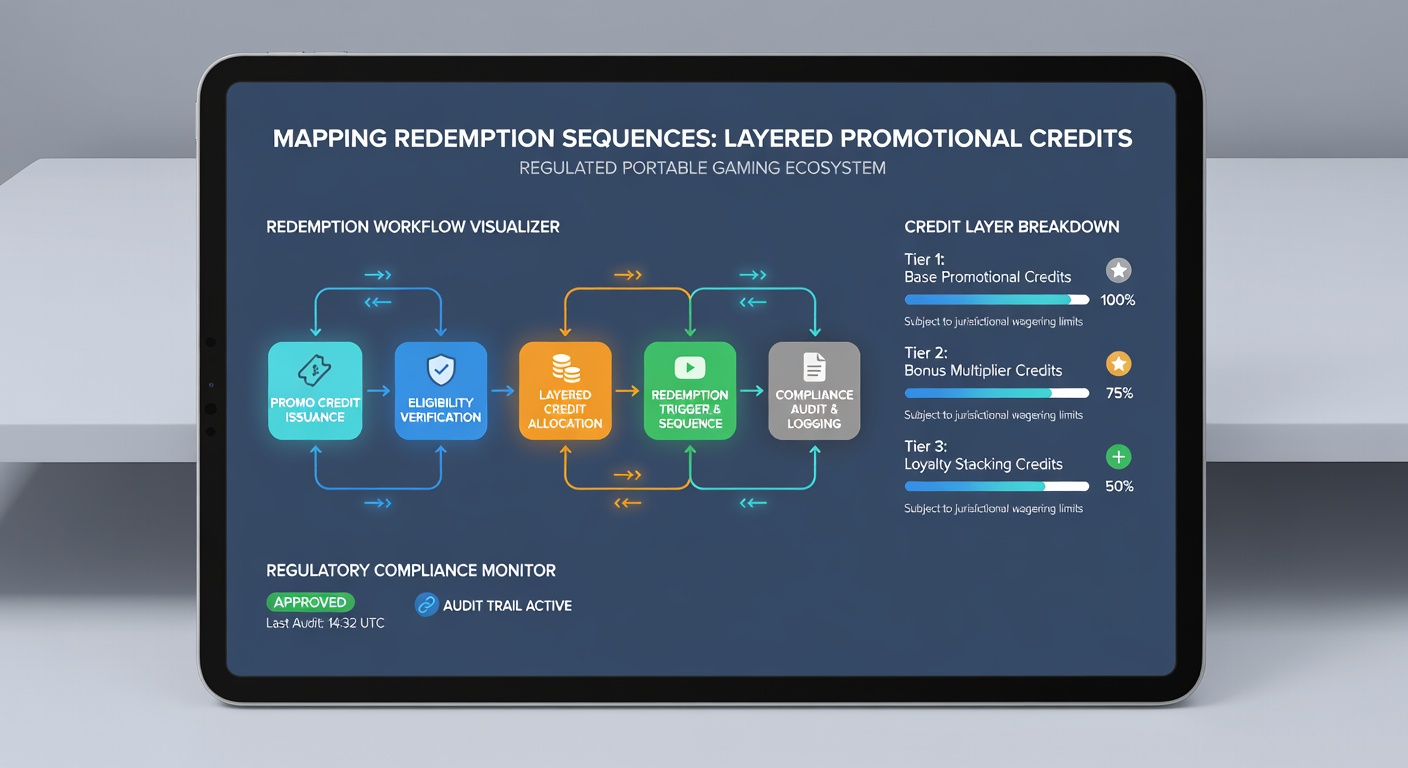
Layered promotional credits typically consist of multiple tiers where initial credits activate upon account verification and subsequent layers unlock only after completion of prior redemption steps. Researchers at academic institutions have documented how these tiers incorporate time-based triggers, minimum play thresholds, and geographic restrictions that mobile applications enforce through server-side validation. Observers note that the first layer often covers welcome credits distributed immediately after registration, whereas deeper layers attach to ongoing activity metrics collected within the portable environment.
Portable gaming devices transmit redemption requests through encrypted channels that connect directly to centralized compliance databases. According to reports issued by the Nevada Gaming Control Board, operators must maintain audit trails that capture each sequence step, including timestamped player actions and system responses. This process allows regulators to verify that no layer bypasses established verification protocols during high-volume mobile sessions.
Technical Mapping Processes in Mobile Environments
Mapping tools integrate application programming interfaces that sequence credit redemptions by assigning unique identifiers to each promotional layer. These identifiers link to player accounts and trigger conditional checks before any conversion occurs. Experts in gaming technology have observed that such mappings prevent overlapping redemptions by enforcing linear progression rules, where one layer must fully resolve before the next becomes available. Mobile operating systems further support these mappings through push notification frameworks that alert users when a sequence advances or encounters a compliance hold.
Studies conducted by university research groups indicate that sequence mapping reduces processing errors by approximately 40 percent when operators deploy automated validation scripts. The scripts evaluate factors such as remaining credit balances, elapsed time since activation, and compliance with regional play limits before permitting progression. In practice, one documented case involved a European operator that adjusted its mapping logic after regulatory review to align with updated portable device authentication standards.
Regulatory Influences on Sequence Design
Regulatory bodies across different regions shape redemption sequences through directives that emphasize transparency and player protection. The Malta Gaming Authority, for instance, requires operators to publish clear redemption pathways within mobile applications so that users understand progression requirements before engaging promotional layers. Similarly, the Australian Communications and Media Authority oversees frameworks that mandate disclosure of sequence timelines and any jurisdictional limitations affecting credit usability.
Operators respond by embedding these requirements into their mapping architectures, often through modular code that permits rapid updates when new regulations take effect. Data collected during routine compliance audits reveals that jurisdictions with mandatory sequence reporting experience fewer disputes related to credit expiration or access denials. Those who've studied regulatory filings know that updates scheduled for May 2026 may introduce additional verification layers for cross-border portable gaming transactions.
Implementation Challenges and Operational Adjustments
Challenges arise when mobile network conditions disrupt sequence validation, prompting operators to incorporate offline caching mechanisms that reconcile upon reconnection. Industry associations have compiled case studies demonstrating how operators refined their mapping protocols after encountering synchronization issues during peak usage periods. These adjustments typically involve enhanced error-handling routines that preserve sequence integrity without violating regulatory time constraints on credit availability.
What's interesting is how geographic data influences sequence branching, as certain promotional layers activate only within approved territories detected through device location services. Observers note that operators integrate geofencing technology to enforce these boundaries automatically during redemption attempts. Research indicates that such integrations have become standard practice in ecosystems serving multiple regulatory zones simultaneously.
Future Considerations for Sequence Mapping
Developments in portable device hardware continue to influence how redemption sequences are mapped, particularly as biometric authentication becomes more prevalent for verifying player identity at each layer. Trade organizations tracking these trends report increased adoption of standardized mapping templates that facilitate interoperability between different mobile platforms and regulatory reporting systems. Analysts project that continued refinement of these templates will support smoother integration of emerging promotional credit types without requiring extensive recoding.
Conclusion
Mapping redemption sequences for layered promotional credits remains a central function within regulated portable gaming ecosystems, driven by the need to balance operational efficiency with strict compliance obligations. Through coordinated technical processes and regulatory alignment, operators maintain traceable pathways that support both player access and oversight requirements across mobile environments. Ongoing adaptations ensure these mappings accommodate new device capabilities and evolving statutory expectations in jurisdictions worldwide.